The Hidden Playbook: Inside the Secret Strategies Pro Teams Only Break Out When It Counts
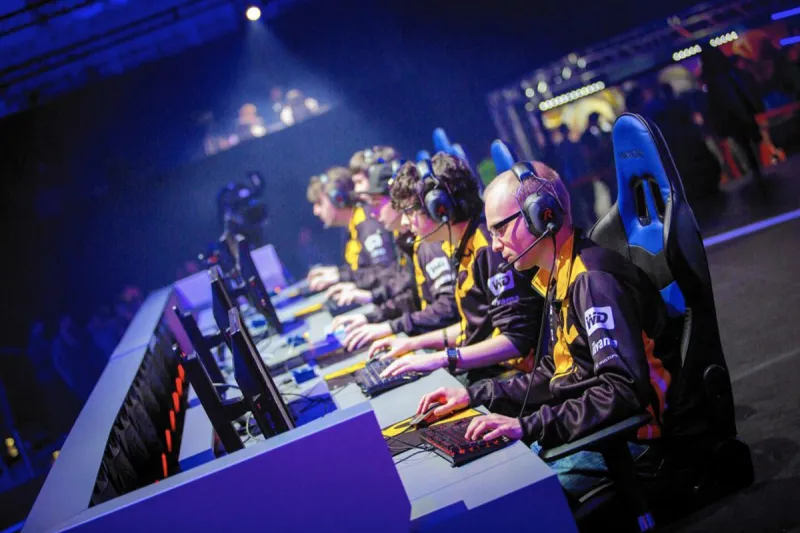
Photo: esports team private practice room strategy whiteboard planning, via i2.wp.com
The Hidden Playbook: Inside the Secret Strategies Pro Teams Break Out When It Counts
If you've ever watched a team absolutely dismantle an opponent in a playoff match with a strategy that seemed to come from nowhere, there's a reason it felt that way. It did come from nowhere — at least nowhere public. It came from months of closed-door scrim sessions, deliberate concealment, and the kind of competitive discipline that most teams don't have the patience to maintain.
Opacity isn't just a personality trait at the highest levels of play. It's a weapon. And the teams wielding it best are the ones who understand that what your opponent doesn't know about you is just as valuable as what you know about them.
Why the Best Teams Play Two Different Games
Every serious competitive team essentially maintains two distinct playbooks. The first is the public-facing one — the strats they run in regular season matches, the compositions that show up on broadcast, the rotations that analysts can pull from VoD review and chart in their databases. This playbook is real and functional, but it's also deliberately incomplete.
The second playbook is the one that never sees daylight until the moment it matters most. It's built in private scrims against trusted opponents, stress-tested in closed practice environments, and kept off-broadcast until a coaching staff decides the situation warrants deploying it. This is the playbook that wins championships.
"We have things we've been sitting on for three months," one assistant coach from a top-tier North American roster told us, speaking on background. "Stuff that's been working in scrims for weeks. We haven't run it in a single official match. That's intentional. The second it goes on a broadcast, it's in someone's database. We'd rather save it."
The logic is straightforward once you hear it: in a world where every official match is recorded, dissected, and fed into opponent preparation, the only truly unscouteable strategy is one that's never been shown. Scrim secrecy isn't paranoia — it's information asymmetry, deliberately manufactured.
What Actually Lives in the Hidden Playbook
So what kinds of strategies actually make the cut for a team's concealed arsenal? Based on conversations with coaching staff and players across multiple titles, a few categories emerge consistently.
Off-meta compositions built around opponent-specific weaknesses. These are setups designed not to be generally strong, but to be specifically lethal against the tendencies of a particular opponent. A team might spend weeks developing a composition that punishes one specific rotational habit they've identified in a rival — something that would look bizarre against most opponents but is surgical against the right one.
Unorthodox opening sequences. The first 30 to 60 seconds of a round or match are heavily scripted at the pro level. Teams spend enormous effort scouting opponent opening tendencies. A hidden playbook often contains two or three completely non-standard opening sequences that have been drilled enough to execute cleanly but have never appeared in official play — designed to immediately invalidate the opponent's preparation.
Psychological plays and pace manipulation. Some of the most effective concealed strategies aren't about mechanical execution at all. They're about rhythm disruption — slowing a match down to an uncomfortable tempo, burning time in ways that create decision pressure, or using unconventional positioning to force an opponent into unfamiliar reads. These are harder to scout because they don't show up cleanly in stat lines.
Map-specific hidden angles and utility setups. In games with complex map geometry, teams will develop positioning and utility combinations that are viable but non-obvious — and then deliberately never use them in official play until they need a round they absolutely cannot afford to lose.
The Scrim Culture That Makes It Possible
Maintaining a hidden playbook requires a specific kind of scrim culture, and not every team has the discipline to build it. The temptation to run your best stuff in every scrim — because winning scrims feels good — is real, and it's what separates teams that have secrets from teams that think they do.
Coaches who build effective concealment cultures typically establish explicit rules around what can and cannot be run against outside scrim partners. Certain compositions are flagged as "internal only" and simply don't get played when another org is in the lobby. Some teams go further, running deliberately downgraded versions of their real strategies against external partners — functional enough to get useful practice reps, but stripped of the specific elements that make the full version dangerous.
"You have to be comfortable losing scrims," said one player who's competed at multiple North American LANs. "If you're only running your A-game in scrims, you're giving everything away for free. Sometimes you take the L in practice to protect something that wins you the match that actually matters."
This requires buy-in from every player on the roster. One person running a concealed strategy in the wrong context blows months of preparation. The teams that execute this consistently have usually built a culture where the competitive value of secrecy is genuinely understood and respected at every level of the organization.
The Ranked Grinder's Version
Here's the thing: you don't need an org, a coaching staff, or a travel budget to apply this methodology. The core principles translate directly to small-group ranked play, and the players who understand this are quietly building advantages that most of their competition doesn't even know to look for.
Build a closed practice group. Find three to five players you trust — people who grind seriously and understand the value of discretion — and establish a dedicated practice environment separate from your regular ranked queue. This is your scrim equivalent. This is where you experiment.
Designate experimental strategies as off-limits for ranked. When your group develops something that feels genuinely strong, resist the urge to immediately deploy it in ranked. Let it cook. Get reps. Refine it. Then bring it out when you're in a match that counts — a promo game, a series against a known opponent, a situation where you need something your opponent hasn't prepared for.
Run decoy strategies publicly. Deliberately lean into one or two styles of play in your regular ranked games — something visible, something that opponents or premade groups might pick up on if they're paying attention. Then have something completely different waiting in the wings. This only matters at higher ranks where opponents might actually scout you, but at those levels, it matters a lot.
Treat every closed session as R&D. Your private practice group isn't just for getting reps on things you already know. It's a laboratory. Run things that seem weird. Test compositions that don't make obvious sense. Some of it will be garbage. Some of it will be the thing that wins you a series nobody expected you to take.
Opacity as a Competitive Weapon
The teams and players who consistently outperform their raw talent level aren't just mechanically superior. They're informationally superior. They've built an asymmetry where they know more about their opponents than their opponents know about them — and they've done it not through some complex intelligence operation, but through the simple, disciplined act of keeping their best work private until the moment is right.
In a competitive landscape where every official match is public record, secrecy is one of the last true edges. The teams who understand that are the ones making deep playoff runs with strategies that look like they came out of nowhere.
They didn't come from nowhere. They came from a room nobody else was allowed into.