The Sixth-Man Scramble: Why NA Esports Is Hoarding Practice Partners Like Draft Picks
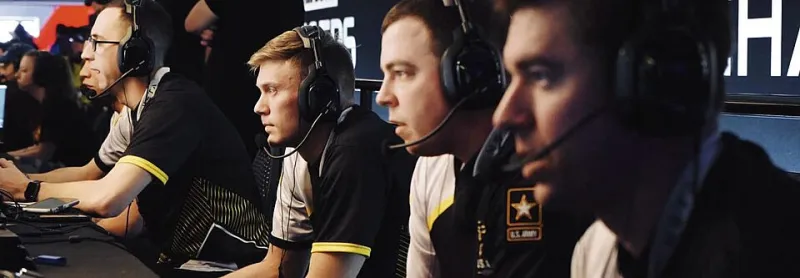
Photo: U.S. Army, Public domain, via Wikimedia Commons
In 2026, the most interesting roster move in North American esports might not be a star signing. It might be the fourth player on the bench who never touches the stage. Top US organizations are building deeper practice squads than ever, and they are doing it on purpose. The substitute is no longer the guy who sits in the team house waiting for someone to get sick. The substitute is a scouting asset, a scrim weapon, and sometimes a direct counter to a rival's entire system.
The Bench Is No Longer a Waiting Room
For years, NA rosters treated substitutes like spare tires. You kept one around because the rules required it, then prayed you never needed it. That model is dying. In 2026, the best organizations are carrying players who specialize in specific roles, specific matchups, and specific practice jobs. One bench player might be a lane specialist who can replicate an opponent's star player in scrims. Another might be a control-oriented player who gives the starters a different look during preparation. Neither may see stage lights, but both can change a series.
The shift is partly economic. A starting lineup upgrade is expensive and risky. A deep bench is cheaper, more flexible, and easier to hide from opponents. It also creates internal pressure. Starters know someone behind them can actually play. That raises the level of every practice block.
Tryout Pipelines Are Scouted Like Free Agency
NA organizations are now running tryout pipelines the way other sports run combines. Open tryouts, ranked ladder scouting, amateur tournaments, and invite-only combines feed the machine. Coaches watch more than mechanics. They watch how quickly a player absorbs feedback, how they communicate in a scrim, and whether they can play a role without needing the whole system built around them.
The best bench players are not failed starters. They are specialists who understand the job. Some are happy to be practice partners. Some are developing toward a starting role. The smart orgs keep both types in the building and make the expectations clear. The result is a pipeline that produces roster depth instead of roster drama.
Scrim Confidentiality Is the Whole Game
Bench players are valuable because they can test things without exposing the starting lineup. A practice partner can run a rival's comp, a weird map pick, or an aggressive early-game script in a closed scrim. If it works, the starters learn from it. If it leaks, the damage is limited because the bench player's public identity is not tied to the main roster's tournament prep.
That is why scrim confidentiality has become a bigger deal than ever. Organizations use NDAs, private lobbies, and strict communication rules. Coaches do not want scrim results hitting Twitter. They do not want a practice partner's stream chat turning into a scouting report. The bench is a controlled information environment, and the best NA orgs treat it like one.
Roster-Depth Tactics: The Matchup Tool
Some teams are now building benches around matchups. If a starting roster struggles against a specific style, the org brings in a practice partner who can replicate that style every day. If a best-of-five series demands a different map pool, a substitute with a deeper map pool can get reps that the starter never gets. This is not about replacing the starter. It is about giving the team a second tool.
In series play, that matters. A team that can change its pace, its pick priorities, or its map comfort without changing its entire identity is harder to prepare for. The bench player becomes a tactical option that exists before the first map is even vetoed.
Why a Great Bench Player Can Beat a Starter Upgrade
A starter upgrade usually means one new player learning one new system. A great bench player can already know the system, play multiple roles, and give the starters better practice every single day. That is value that does not show up in the highlight reel. It shows up in cleaner scrims, better preparation, and fewer panic moments when a starter has a bad week.
There is also a cultural benefit. Deep rosters create competition without forcing a full rebuild. Players who know the bench is real tend to prepare differently. Coaches who know they have options tend to make calmer decisions. The whole organization gets a little more professional.
The Human Cost and the Culture Test
The bench economy is not automatically healthy. Players can get stuck in practice-partner purgatory. They can lose motivation if the org treats them like a scrim bot. The best US organizations are careful about this. They give bench players clear development paths, stage reps when possible, and honest feedback about where they stand.
If an org stockpiles talent without a plan, it creates resentment. If it builds a real pipeline, it creates a competitive advantage. The difference is communication.
What This Means for the NA Scene
The sixth-man scramble is good for the scene, as long as it is done right. More practice partners means more jobs, more development, and more ways for underdog teams to prepare like favorites. It also means the gap between a starting lineup and a bench unit is shrinking. In 2026, the team that wins might not have the best five players. It might have the best eight.