From Campus to Contender: How College Esports Is Quietly Rebuilding America's Pro Pipeline
From Campus to Contender: How College Esports Is Quietly Rebuilding America's Pro Pipeline
For a long time, the conventional wisdom in competitive gaming was simple: if you're good enough to go pro, you don't go to college. You grind ranked, you build a following, and you hope a scout notices before you age out of the window everyone pretends doesn't exist. College was for people who weren't quite there yet — or who'd already accepted they never would be.
That calculus is changing. And depending on who you ask, it might be changing fast enough to matter.
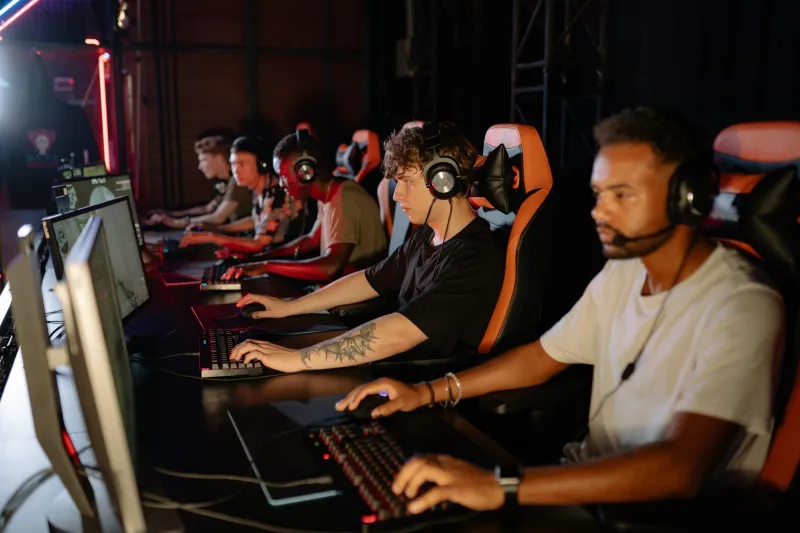
Across the US, university esports programs have quietly undergone a transformation that's hard to overstate. What started as club teams sharing a lounge and a few gaming PCs has evolved, at the leading institutions, into something that looks a lot more like a Division I athletics program than an extracurricular activity. Scholarships. Dedicated facilities. Strength and conditioning coaches. And increasingly, direct relationships with the professional organizations that are paying attention.
The Schools Setting the Pace
A handful of programs have separated themselves from the pack in terms of infrastructure and competitive output. The University of Akron, often cited as a pioneer, built one of the earliest dedicated esports arenas on a US campus. Harrisburg University in Pennsylvania has become a consistent feeder for competitive talent in games like Overwatch and Rocket League. UC Irvine — backed by California's tech-adjacent culture and early institutional investment — runs one of the most recognized programs in the country, with alumni who've made legitimate noise at the pro level.
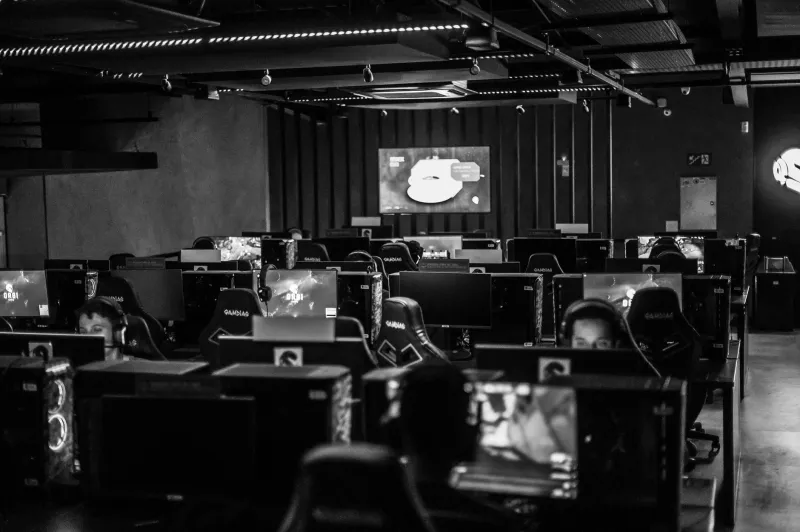
More recently, programs at schools like Robert Morris University, Ohio State, and the University of Kentucky have invested in purpose-built facilities that rival what some Tier 2 pro organizations are working with. We're talking broadcast studios, dedicated coaching staffs, and practice environments designed specifically for competitive play — not repurposed computer labs.
The National Association of Collegiate Esports (NACE) now counts over 200 member schools, with more than $16 million in scholarship money in play. That number has grown significantly year over year. This isn't a niche experiment anymore.
What Players Actually Gain
The pitch to a prospective collegiate esports recruit is genuinely compelling, especially compared to what the alternative looks like for most players. The path to pro through pure ranked grinding is brutal, statistically unlikely, and offers almost no safety net. One bad split, one roster shuffle, and you're out with no degree and no fallback.
The collegiate route offers structure. Scholarship support — even partial — reduces the financial pressure that causes a lot of talented players to quit before they peak. Coaching staffs with professional backgrounds give players access to strategic development that most self-coached ranked grinders simply don't get. And increasingly, the exposure to team-based competitive environments — scrimmages, league play, tournament formats — builds the kind of professional habits that pro orgs actually care about.
"The biggest thing I got from my program wasn't the facilities," one former collegiate player who's since competed at the semi-pro level told us. "It was learning how to lose without falling apart. That sounds basic, but most solo-queue grinders have no idea how to process a team loss. College taught me that."
There's also the networking dimension. Programs with established org relationships are actively putting players in front of scouts in ways that grinding ladder simply doesn't replicate.
The Sacrifices Are Real
It's not all scholarship money and arena lighting, though. The collegiate route comes with genuine tradeoffs that players need to think hard about before committing.
Age is the most uncomfortable one. Esports, particularly in mechanically demanding titles, rewards peak reaction times and the kind of raw adaptability that tends to be sharpest in the late teens and very early twenties. Spending two to four years in collegiate play — even competitive collegiate play — means entering the pro market at an age where some international players have already completed full pro careers. Korean and Chinese competitors in particular often start serious training at ages where most American kids are still in high school, and they're reaching peak competitive form while US players are finishing sophomore year.
The structure of collegiate play can also limit exposure to the highest level of competition. League formats with regional restrictions mean you're not always playing against the best available opponents. A player grinding Tier 2 open qualifiers or Challengers-level competition might be developing faster than someone locked into a conference schedule — depending on the game and the program.
And then there's the elephant in the room: collegiate esports organizations profit from player performance without offering the revenue sharing that exists in traditional sports. That conversation is getting louder, and it's one the industry hasn't figured out yet.
Is This Actually Closing the Gap?
The honest answer is: partially, and unevenly.
In games like Rocket League, Valorant, and Overwatch — where US collegiate programs have the deepest roots and the most developed pipelines — there's real evidence that the collegiate route is producing players who can compete internationally. Collegiate alumni have made rosters at the Challengers and T2 level with increasing regularity. A handful have cracked T1 organizations.
In titles where the international gap is steepest — League of Legends being the obvious example — the collegiate pipeline hasn't yet demonstrated that it can produce players who close the mechanical and strategic distance between US teams and Korean or Chinese rosters. The structural advantages those regions have in terms of training culture, competitive density, and early specialization are deep. Collegiate esports, as good as it's getting, is working against a significant head start.
But the direction of travel matters. Five years ago, this conversation wasn't happening. The infrastructure wasn't there. The org relationships weren't there. Now they are, and they're growing.
What Comes Next
The programs that are going to define what collegiate esports becomes in the next decade are the ones building genuine bridges to the pro ecosystem — not just producing players, but actively placing them. That means maintained relationships with org scouts, alumni networks that stay warm, and coaching staffs who understand what pro organizations are actually looking for.
For players weighing the decision, the calculus is getting more nuanced. The collegiate route isn't a consolation prize anymore. In the right program, in the right title, it might genuinely be the smartest path to a sustainable pro career — and the closest thing American esports has to a real development system.
Whether it's enough to change the flag at the top of the international standings is a different question. But it's a better answer than anything the US had five years ago, and that counts for something.