Hometown Heroes: Can Local Rivalries Finally Give US Esports the Soul It's Been Missing?
Hometown Heroes: Can Local Rivalries Finally Give US Esports the Soul It's Been Missing?
If you ask a die-hard Cowboys fan why they hate the Eagles, you'll get a twenty-minute answer full of specific games, specific players, and specific moments burned into generational memory. Ask a casual esports viewer why they root for their favorite org, and most of the time you'll get something like, "I just like their content creators."
That gap — between tribal, geographic sports loyalty and the more transactional fandom that's defined esports in America — has been one of the biggest structural weaknesses of the industry since it went mainstream. But in 2025, there are real signs that the gap is starting to close. City-based franchises, regional LANs, and a booming collegiate esports scene are quietly building the infrastructure for something that's been missing from this space for a long time: genuine hometown pride.
Here's my take: it's working — but only barely, and only if the industry stops making the same mistakes it's been making for the last decade.
The Franchise Model Planted the Seed
Love it or hate it, the franchised league model that Riot Games rolled out with the Overwatch League and later refined with the LCS deserves credit for one thing: it forced teams to think geographically. Suddenly you had the Los Angeles Valiant, the New York Excelsior, the Atlanta Reign. Teams with city names, city colors, city events.
The execution was messy. The Overwatch League's early home-and-away format collapsed under logistical weight before it really got going. The LCS never fully committed to regional identity the way it needed to. But the concept wasn't wrong — it was just ahead of the infrastructure.
What's different now is that the infrastructure is catching up. The LA Thieves have built a genuine Southern California fanbase that shows up in person. The New York Subliners have a vocal, passionate contingent that travels. These aren't massive NFL numbers, but they're real human beings who care about their city's team winning, and that's the seed of something bigger.
Grassroots LANs Are Doing the Heavy Lifting
Honestly? The most exciting regional esports energy in America right now isn't coming from franchised leagues. It's coming from the grassroots circuit.
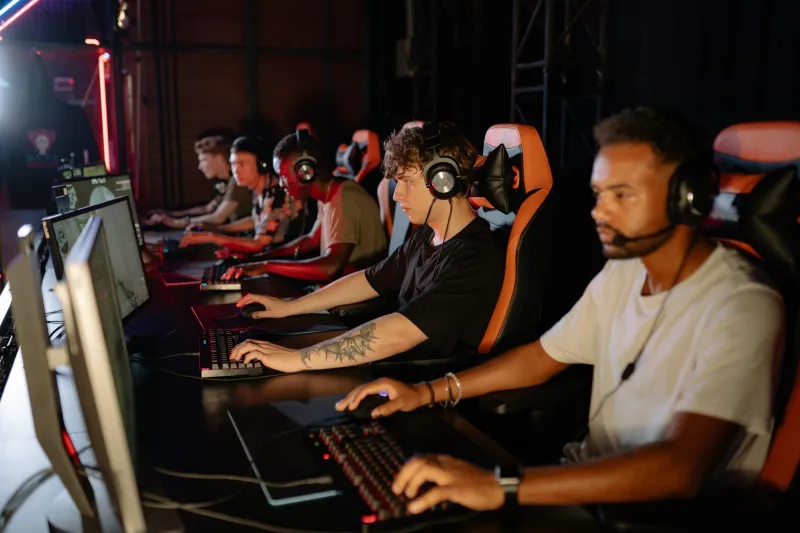
Events like Smash Bros. regionals, VALORANT open qualifiers, and FGC locals across cities like Chicago, Atlanta, Houston, and Seattle are creating exactly the kind of community-level competition that breeds real rivalries. These aren't sponsored spectacles — they're scenes. Players who grew up in the same city, who've been beating each other in locals for years, who have real beef and real history. That's the raw material of rivalry culture.
The Fighting Game Community has understood this forever. EVO might be the crown jewel, but the reason EVO matters is because of everything that happens at the local and regional level leading up to it. The players who arrive at nationals with storylines already written are the ones who make the event electric. The rest of US esports is slowly learning this lesson.
VALORANT's Challengers circuit, which creates regional pathways to the professional tier, is probably the most promising structural development in competitive esports right now for exactly this reason. It gives regional talent a stage and regional audiences a reason to invest in local players before they make it big. That's how you build a fanbase that sticks.
Collegiate Esports Is the Long Game
If you want to know where the deepest roots of regional esports identity are being planted, look at college programs. There are now over 200 NCAA and NACE-affiliated collegiate esports programs across the United States, and they're doing something no franchised league has fully figured out yet: they're attaching competitive gaming to an institution that people already have generational loyalty to.
When Ohio State plays Michigan in a VALORANT match, there's existing emotional infrastructure that makes people care. The rivalry is already there — esports is just borrowing it. And for a lot of students, their first experience watching competitive gaming with genuine stakes is through their school's team. That's a fandom pipeline that traditional esports organizations would kill for.
Schools like UC Irvine, Robert Morris, and Maryville University have been running serious programs for years. The next wave of growth will come when major football schools — your Alabamas, your Michigans, your USCs — go all-in on esports programs with the same resources they throw at traditional athletics. That day is coming, and when it does, the regional identity question in US esports basically answers itself.
What Still Needs to Happen
Here's where I'm going to get blunt, because the situation calls for it.
Regional esports identity in America will not stick if the league structures keep prioritizing content strategy over competitive integrity. Fans don't build rivalries around brands — they build rivalries around moments. Heartbreaking losses. Upset victories. Rematches with history. You can't manufacture those moments through influencer partnerships and TikTok clips. You build them by putting teams in front of live audiences, repeatedly, over years, with real stakes.
The Overwatch League's decision to go fully online in its later seasons was a gut punch to the local identity project it had started. You cannot build a Chicago rivalry culture if there's never a crowd in Chicago watching the game. Full stop.
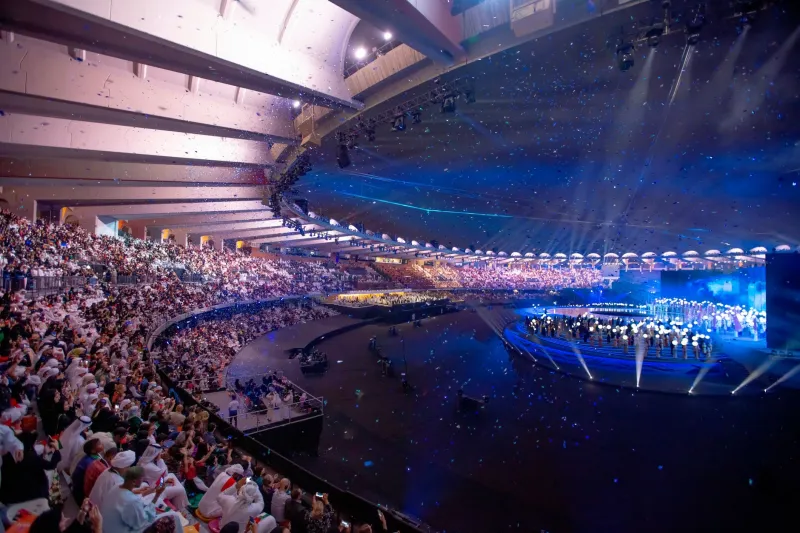
The orgs that are going to win the next chapter of US esports fandom are the ones that invest in physical presence — local events, watch parties, pop-up activations — not just digital content. The Houston Outlaws hosting a viewing event at a local venue does more for regional identity than a hundred Instagram posts. The New York Subliners doing a fan meet at Madison Square Garden is worth more than any jersey sale.
The bones are there. The franchised leagues created geographic anchors. The grassroots scene is generating real local competition. The colleges are building the next generation of invested fans. But someone at the top of this industry needs to commit to the long game — to building the kind of slow-burn regional culture that makes a Cowboys fan hate the Eagles with the passion of a thousand suns.
US esports has the talent. It has the games. It's finally starting to get the geography right. Now it just needs the patience to let the rivalries breathe.
The leaderboard of American sports fandom has room for one more entry. Esports just has to earn it.