Ban Before the Bang: How NA Underdogs Are Stealing Tournaments in the Veto Room

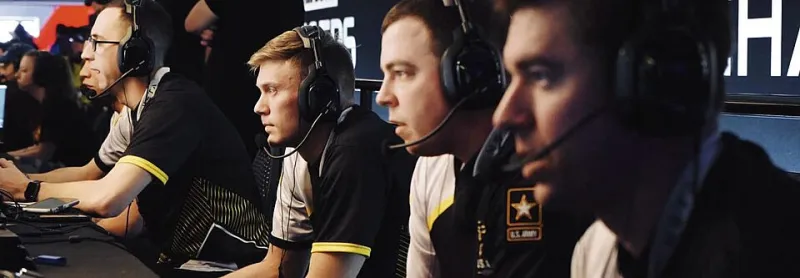
Photo: WDGオーバーウォッチ, CC BY 3.0, via Wikimedia Commons
Everyone remembers the clutch round. Nobody remembers the veto. That is a mistake. In 2026 NA tournaments, some of the most important decisions are made before the first bullet fires. Map vetoes and pick-ban phases are no longer a polite formality where both teams ban their worst map and move on. They are a chess clock with a countdown, and underdog teams are learning to win there first.
The Veto Is a Chess Clock, Not a Formality
A veto is a negotiation under time pressure. You have limited bans, limited picks, and incomplete information. The favorite usually wants comfort. The underdog wants chaos. A good veto script does not just remove a bad map. It shapes the entire series into a version of the game the favorite did not prepare for.
In best-of-three and best-of-five formats, the veto also interacts with bracket position. A team that knows it may face a specific opponent in round two can save a ban for later. A team that expects a long series can plan its map pool differently than a team that expects a quick knockout. The veto room is where those plans either hold or collapse.
Underdog Scripts: Force the Favorites Off Their Island
Underdog teams are using opponent-specific veto scripts to take away the one map that makes a favorite feel safe. That is not new. What is new is how specific the scripts have become. Teams are tracking not just map win rates, but side preferences, first-blood tendencies, average round length, pistol-round performance, and how a favorite behaves after losing the first map.
A favorite might be 12-2 on its comfort map. But if that map is banned, the favorite's second-best map might have a losing record against aggressive teams. The underdog does not need to be better at everything. It needs to make the favorite play a map where its usual system is slightly off. That is how a 60-40 series becomes a 50-50 series.
Bracket-Format Exploitation
Bracket format matters more than most fans realize. In a double-elimination bracket, a team can afford to lose one series but not two. That changes veto priorities. Some teams now use a conservative veto early and a more aggressive script later. They protect their comfort map in the first round, then use a trap ban in the lower bracket to force a desperate opponent into a bad pick.
The same logic applies to best-of-five grand finals. A team that has already played its opponent knows which maps were close and which were not. The veto becomes a response to the previous series, not just a pre-match guess. Underdogs who track that information can flip a rematch before it starts.
Data-Driven Ban Patterns
NA teams are building veto sheets with real data. Map win rates are the baseline, but the smarter orgs are looking at side bias, economy conversion, first-objective control, and how often a team gets forced into its secondary strategy. They are also looking at patch effects. A map that was a comfort pick before a major balance update may not be one now.
The danger is overfitting. A small sample size can make a bad map look good. A single scrim block can create a false read. The best veto teams separate public match data from private scrim data and adjust for opponent quality. They do not ban based on one weird loss.
The Mental Game in the Veto Room
Vetoes are also a mental test. The clock is short. Coaches and players have to communicate clearly. A favorite can start second-guessing itself when an underdog bans something unexpected. An underdog can lose the room by overthinking a simple decision.
The best underdog teams practice vetoes like they practice executes. They run through scenarios, assign decision-makers, and rehearse the exact language they will use. That sounds boring. It also wins maps. When the favorite is still debating its second ban, the underdog already knows its script.
How to Build Your Own Veto Sheet
Start with your own map pool. Rank each map by comfort, not just win rate. Then rank your opponent's maps by how often they pick them and how well they perform. Look for the overlap. That is where the ban matters.
Next, build two scripts: one for a favorite and one for an underdog. The favorite script protects comfort. The underdog script creates discomfort. Practice both under a timer. Review the veto after every series, even the wins. The goal is not to be clever. The goal is to make the opponent play your version of the game.
The Limits
A veto cannot fix bad aim or a broken team system. If a team cannot execute, the perfect ban script will not save it. But in close series, the veto can close a gap that mechanics alone cannot. That is why underdog teams are treating the veto room like a weapon. In 2026 NA tournaments, the first upset often happens before the first shot.